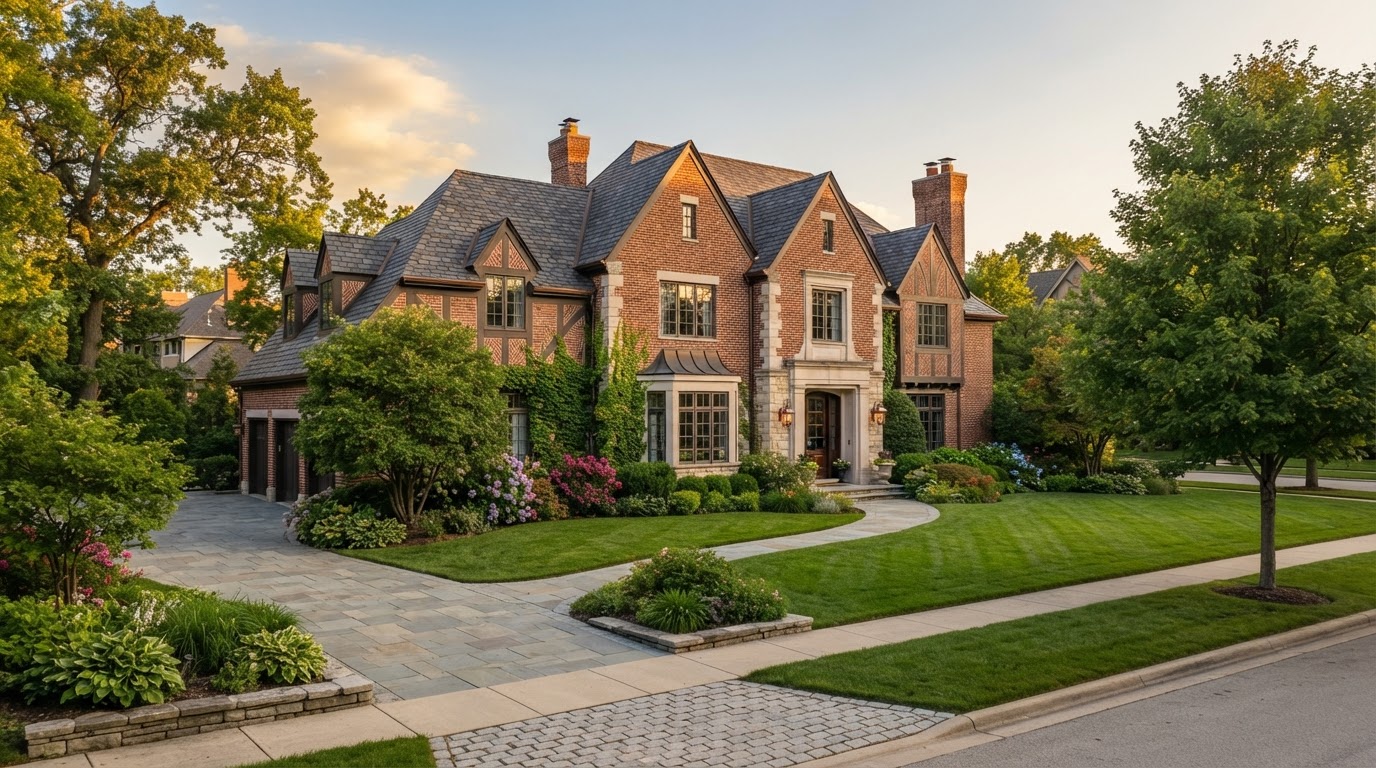
Chicago's North Shore has long attracted buyers looking for larger homes, established neighborhoods, and strong schools. Communities like Lake Forest, Winnetka, Kenilworth, and Highland Park often feature properties priced above the conforming loan limit, which means many buyers need financing that goes beyond a standard conventional mortgage. That is where a jumbo loan comes in.
Bruce Bufe has helped buyers and homeowners across the North Shore and the broader Chicagoland area for more than 30 years. If you are considering a higher-priced home, here is a practical look at how jumbo financing works and what to expect.
What is a jumbo loan?
A jumbo loan is a mortgage that exceeds the conforming loan limit set by the Federal Housing Finance Agency (FHFA), the threshold below which loans can be purchased by Fannie Mae and Freddie Mac. For 2026, the baseline conforming loan limit for a one-unit property is $832,750. In most parts of Cook County and Lake County, that baseline applies. When your loan amount rises above that limit, it falls into jumbo territory.
Because jumbo loans are not backed by Fannie Mae or Freddie Mac, lenders hold them to their own underwriting guidelines. That typically means a closer look at your credit, income, assets, and reserves, along with a more detailed review of the property.
When do you need a jumbo loan on the North Shore?
You generally need a jumbo loan when the amount you want to borrow is higher than the conforming limit for your county. On the North Shore, that situation comes up often. Higher-priced homes in communities such as Glencoe, Wilmette, Northbrook, Lake Bluff, and Deerfield can push a loan above the conforming ceiling, especially when buyers are putting down a smaller percentage or financing a significant portion of the purchase price.
Jumbo financing is not limited to primary residences. It can also apply to second homes and certain investment properties, depending on the lender's guidelines and your qualifications. If you are exploring options across the areas Bruce serves, it helps to understand early on whether your target price range will require a jumbo loan.
How do you qualify for a jumbo loan?
Qualification for a jumbo loan focuses on the same core factors as any mortgage, but the standards are usually more demanding. Lenders want to see that you can comfortably manage a larger payment over the long term. Every lender sets its own thresholds, and requirements vary based on the borrower and the transaction.
Common factors a lender may review include:
- Credit history: A strong credit profile is typically expected, since the loan amount is larger.
- Income and debt: Stable, well-documented income with a manageable debt-to-income ratio.
- Assets and reserves: Sufficient liquid assets, often with reserves remaining after closing.
- Down payment: A larger down payment is common, though the exact amount varies by lender and borrower.
- Property appraisal: A thorough appraisal confirming the home's value supports the loan.
Self-employed buyers, business owners, and those with complex income or significant assets often work with a lender who can look beyond a simple W-2. Bruce regularly works with high-net-worth borrowers and clients with more involved financial profiles, helping structure financing that fits the full picture rather than just the surface numbers.
Preparing before you apply
A little preparation goes a long way with jumbo financing. Gathering your documentation early, understanding your debt-to-income picture, and reviewing your available assets can help the process move more smoothly. Bruce walks clients through a personalized checklist so there are fewer surprises along the way.
Running a few numbers first can also help you set realistic expectations. The mortgage calculators on this site can give you a rough sense of monthly payments and affordability, though actual terms will depend on your full qualification and current market conditions.
Frequently asked questions
Are jumbo loan rates always higher than conforming rates?
Not necessarily. Jumbo rates can be competitive, and at times they have been close to or even below conforming rates. Pricing depends on the lender, the loan structure, and current market conditions, so it is best to compare options for your specific situation.
Can I use a jumbo loan for a second home or investment property?
In many cases, yes. Jumbo financing can be available for second homes and certain investment properties, subject to the lender's guidelines and your qualifications. Bruce can help you understand what applies to your goals.
How long does the jumbo loan process take?
The timeline is similar to a conventional mortgage but can take a bit longer when additional documentation or a more detailed appraisal review is involved. Starting early and staying organized helps keep things on track.
Talk through your options with Bruce
Jumbo financing does not have to be complicated. With more than 30 years of experience on the North Shore and across Chicagoland, Bruce helps buyers understand their options, prepare the right documentation, and move forward with confidence. You can also review the full range of loan programs available, or reach out directly with questions.
Have Questions About Jumbo Financing?
Bruce is happy to talk through your situation and help you understand whether a jumbo loan fits your plans. Reach out to start a conversation.
Speak with BruceThis article is for educational purposes only and is not a commitment to lend. Loan programs, terms, and eligibility requirements vary and are subject to change.